If you want mountain access to feel like part of your normal routine, Cedar Hills stands out fast. This small Utah County community sits right at the mouth of American Fork Canyon, which gives you a lifestyle that feels close to nature without losing connection to the rest of the valley. If you are wondering what daily life here actually looks like, this guide will walk you through the setting, amenities, housing patterns, and a few practical tradeoffs to know before you move. Let’s dive in.
Cedar Hills at a Glance
Cedar Hills sits on a mountain bench above Utah Valley, with views stretching toward Utah Lake and the surrounding valley floor. The city covers about 2.73 square miles and has roughly 10,000 residents, which helps explain why it often feels compact and residential rather than busy or spread out.
The city also has a clear identity. Cedar Hills describes itself as a bedroom community and as the Trailhead to Adventure, which fits the day-to-day experience for many residents. You get a neighborhood setting with direct proximity to one of the area’s biggest outdoor recreation corridors.
Canyon Access Shapes Daily Life
The biggest lifestyle draw in Cedar Hills is how close you are to American Fork Canyon. The Uinta-Wasatch-Cache National Forest describes the canyon as a 46,000-acre backyard escape, and that description feels useful if you are trying to picture everyday life here.
Instead of planning a full weekend trip just to get outside, you are already near trailheads, scenic drives, picnic areas, and mountain destinations. That changes how people often spend mornings, evenings, and weekends.
What is nearby in American Fork Canyon
Popular canyon attractions include:
- Timpanogos Cave National Monument
- Cascade Springs
- Tibble Fork Reservoir
- Silver Lake Flat Reservoir
- Trailheads into Mount Timpanogos
- Access toward Lone Peak Wilderness
The Pleasant Grove Ranger District also identifies the area as popular for hiking, fishing, family camping, cycling, snowmobiling, ATV use, and rock climbing. Recreation listings also include horseback riding, mountain biking, road cycling, wildlife viewing, backpacking, and picnicking.
Timpanogos Cave is a signature outing
One of the best-known nearby experiences is Timpanogos Cave. According to the National Park Service, cave access is by guided tour, and the route to the caves is a 1.5-mile paved trail with about 1,100 feet of elevation gain.
That means it is close and memorable, but it is still a real uphill walk. If you picture yourself hosting out-of-town guests or looking for a go-to summer outing, this is one of the defining nearby attractions.
Everyday Amenities Inside Cedar Hills
Cedar Hills is not only about the canyon. Inside the city, the amenity mix supports a neighborhood-centered routine with parks, trails, golf, and community gathering spaces.
The city says its pedestrian trail system links parks, open spaces, and the Cedar Hills Golf Club. That trail connectivity adds to the feel of a place where walking, biking, and getting outside can be part of regular life, not just a special event.
Parks and play spaces
The city highlights playgrounds, sport courts, a splash pad, and walking trails as part of its everyday amenities. Harvey Park is one of the clearest examples of that family-friendly public space.
According to the city, the Harvey Park splash pad is open seasonally, weather permitting, from 10 a.m. to 8 p.m. Park facilities may also be reserved from April 15 to October 15, which can be helpful if you are thinking about gatherings or outdoor celebrations.
Golf and community space
Cedar Hills also includes the Cedar Hills Golf Club, an 18-hole, par 72 championship course. The city lists the golf club and the Vista Room community recreation center at 10640 N Clubhouse Drive as part of the local amenity mix, with the golf club open from 8 a.m. to dusk.
For some buyers, that matters because it adds another layer to daily life. You are not only buying access to trails and canyon drives. You are also buying into a community with built-in spaces for recreation and casual gathering.
Practical Details to Know
Every location has tradeoffs, and Cedar Hills is no different. In a place built around outdoor access, some of the most useful details are the small practical ones.
The city notes that park restrooms are typically open from about April 1 to October 31, weather permitting. It also notes that city parks do not have hose bibs or drinking water, and some venues do not have electricity.
That does not make the parks less useful, but it does mean a little planning helps. If you are packing for a park day or reserving a space, you will want to think ahead.
Busy weekends can require planning
Popular recreation access near Cedar Hills can come with crowd management measures. The Forest Service notes that the Timpooneke trailhead uses timed tickets on Saturdays, Sundays, and holidays to help manage overcrowding and parking pressure.
If you are drawn to the area for hiking and canyon access, this is worth knowing upfront. The convenience is real, but the most popular spots can still require planning during peak times.
What Homes Are Common in Cedar Hills?
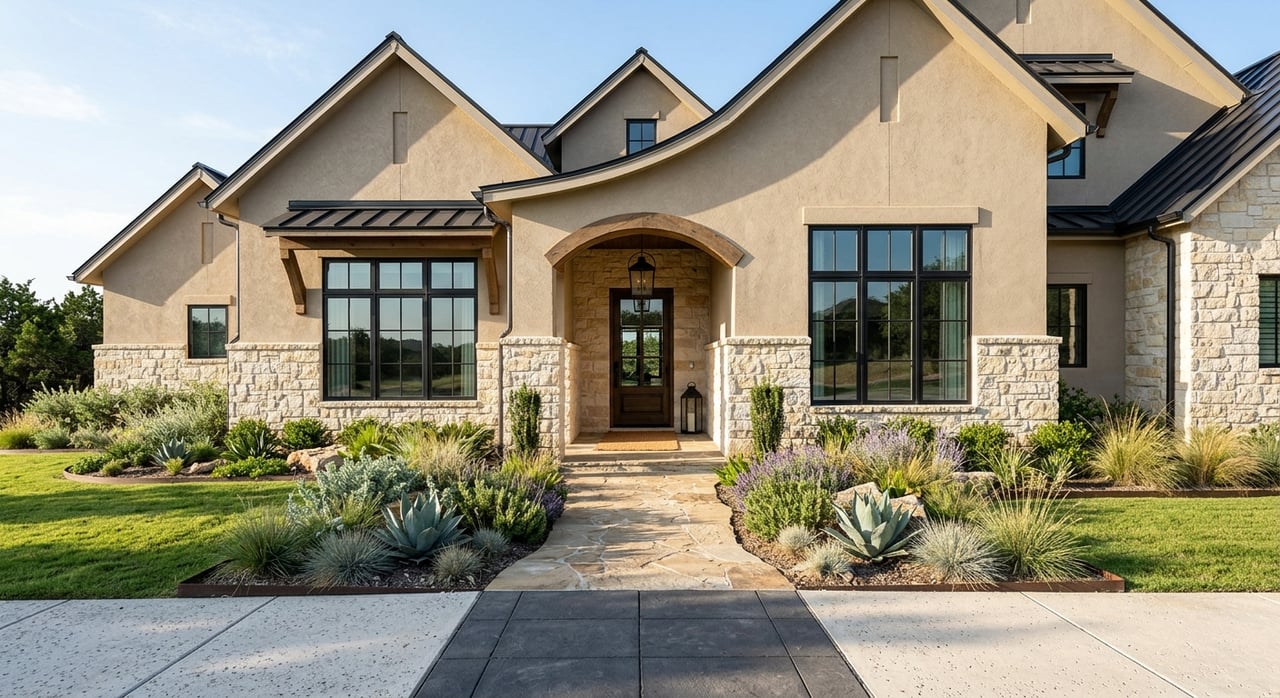
Cedar Hills has a housing pattern that leans strongly residential and low density. City zoning includes rural residential, residential, planned residential, hillside development, and townsite residential zones, which supports a suburban feel rather than a dense apartment-centered layout.
In simple terms, if you are touring Cedar Hills, you are more likely to see detached homes as the dominant housing type. That fits the city’s compact footprint and homeowner-heavy character.
Mostly single-family homes
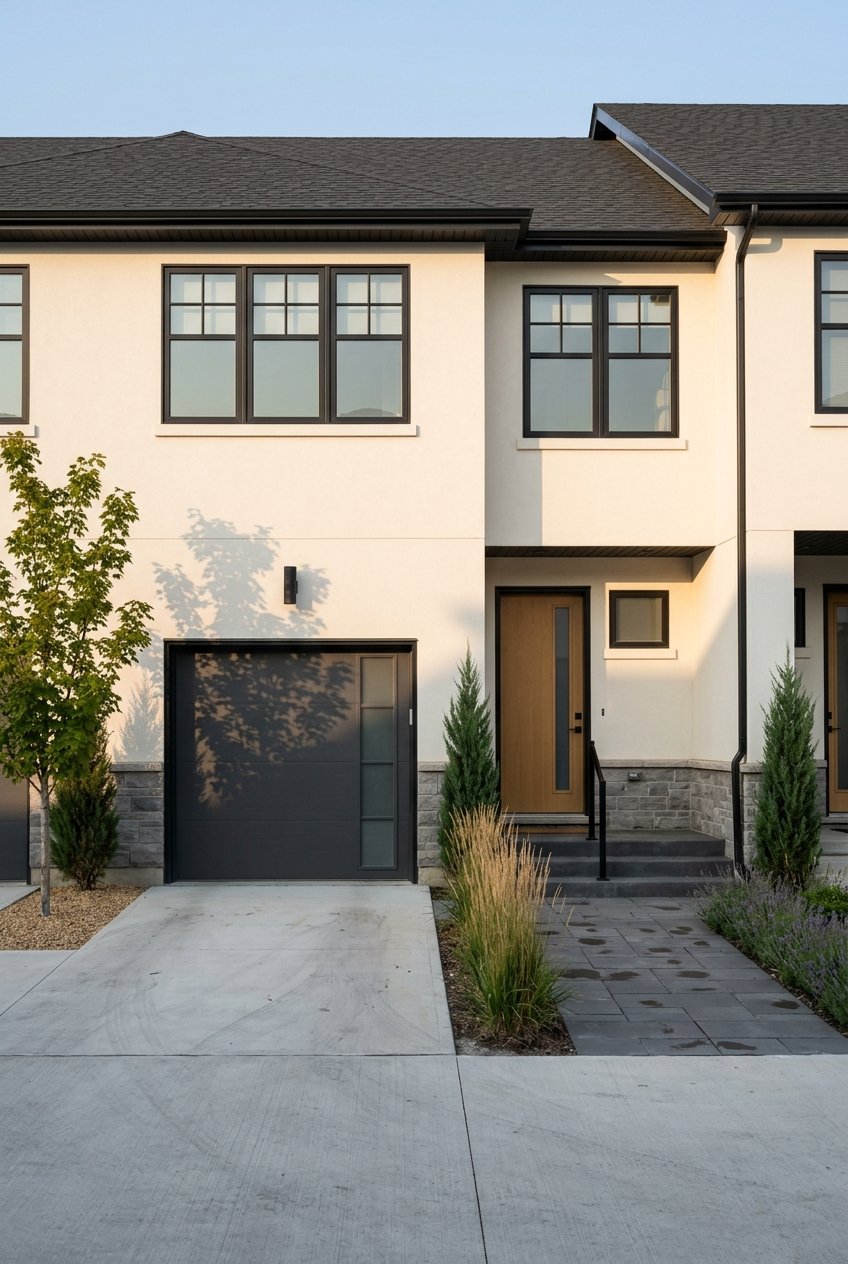
The city’s homeowner association page describes The Cedars as a 521-acre golf-course community with primarily single-family residences. It also identifies The Cedars Townhomes as a separate community with 200 townhomes.
That gives you a useful snapshot of the local housing mix. Most homes are single-family, with some townhome options available depending on your goals, budget, and maintenance preferences.
Some added flexibility with ADUs
Cedar Hills also allows accessory dwelling units and accessory apartments under updated ordinances. For buyers, that may add flexibility in specific situations, especially if you are thinking long term about how a property could function over time.
This does not turn Cedar Hills into a high-density market. It simply adds a bit more range within a city that is still mostly built around detached housing.
A homeowner-oriented community
Census QuickFacts shows an 88.8% owner-occupied housing unit rate in Cedar Hills. That supports the broader picture of a city shaped more by long-term homeowners than by an apartment-driven housing base.
For many buyers, that aligns with what they are looking for in Cedar Hills. The appeal often comes from space, views, neighborhood amenities, and close canyon access within a primarily owner-occupied setting.
Commute and Regional Access
Even though Cedar Hills feels tucked near the mountains, it still connects to the larger region. The city says it is about 10 miles from Interstate 15, 16 miles from Provo, and 33 miles from Salt Lake City.
That mix can appeal to buyers who want a quieter residential setting without feeling isolated. You get a smaller community feel while still staying within reach of major Utah County and Wasatch Front destinations.
Who Cedar Hills Often Fits Best
Cedar Hills can make a lot of sense if your ideal routine includes regular time outdoors. If you want trails, canyon drives, parks, golf, and mountain views to feel built into your week, the location supports that well.
It can also be a strong fit if you prefer a mostly single-family housing environment with a compact city footprint. Buyers looking for a dense urban format may want something different, but buyers looking for a residential bench community near the canyon often see the appeal quickly.
Why Local Guidance Matters Here
On paper, Cedar Hills may look straightforward. In real life, your experience can vary based on lot position, views, trail access, neighborhood layout, housing type, and how you want to use the property over time.
That is where a tailored plan matters. Whether you are buying your first home in the area, moving up for more space, or preparing to sell, clear local guidance can help you compare options with more confidence and less guesswork.
If you want help understanding how Cedar Hills fits your goals, Joshua Sterling offers personalized guidance built around clarity, strategy, and a plan that fits you.
FAQs
What is everyday life like in Cedar Hills, Utah?
- Everyday life in Cedar Hills is shaped by close access to American Fork Canyon, neighborhood parks, walking trails, golf, and a compact residential setting with mountain and valley views.
What kinds of homes are common in Cedar Hills, Utah?
- Cedar Hills is mostly made up of single-family homes, with some townhome options and added flexibility through accessory dwelling unit and accessory apartment rules.
How close is Cedar Hills to American Fork Canyon?
- Cedar Hills sits at the mouth of American Fork Canyon, making outdoor destinations like Tibble Fork Reservoir, Cascade Springs, and major trailheads very close to daily life.
Are there parks and trails inside Cedar Hills, Utah?
- Yes. The city says its pedestrian trail system connects parks, open spaces, and the Cedar Hills Golf Club, and local amenities include playgrounds, sport courts, walking trails, and a seasonal splash pad.
What practical details should buyers know about Cedar Hills recreation?
- Some city park features are seasonal, parks do not have drinking water, and popular canyon access points like the Timpooneke trailhead may require timed tickets on busy weekends and holidays.